

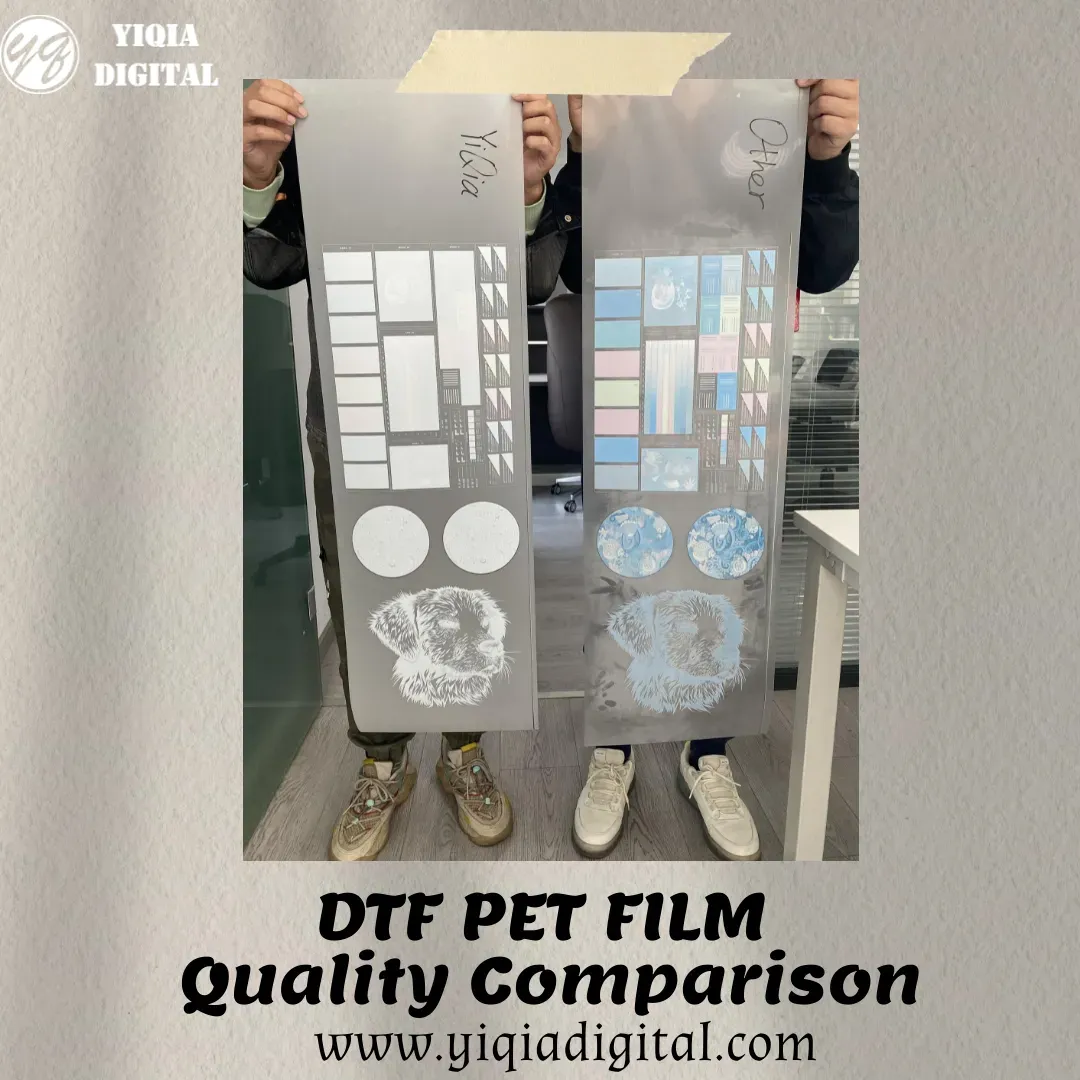
DTF film quality is the decisive factor that unlocks vibrant color, sharp detail, and durable transfers across textiles and other substrates, shaping how customers perceive softness, wash durability, and overall print integrity from the first press. By examining options labeled as DTF transfer film, designers and print houses can gauge not only print clarity and edge definition but also how the film handles ink spread, carrier release, and long-term stability under repeated heat cycles. This guide shows how to choose DTF film by aligning coating chemistry, thickness, tear resistance, and adhesion with your printer, inks, and typical substrates, so you can predict performance across runs, minimize waste, and maximize yield. A good film will support clean edges, minimal color bleed, consistent opacity, and predictable adhesion under a range of heat settings, helping you avoid costly reprints, ghosting, or tackiness while maintaining a comfortable hand on the finished garments. Investing in the right film quality ultimately translates to faster production, steadier color, and more durable results that satisfy customers, reduce returns, and strengthen your brand reputation across diverse materials.
In practical terms, the quality of the transfer layer dictates how well the artwork bonds to fabrics, the feel of the finished print, and how colors endure washing and wear. Think of this material as the conduit between your artwork and the garment, where DTF film compatibility, adhesive performance, and print surface stability drive consistent results. Beyond generic descriptions, the market presents variations in DTF film types, coatings, and carrier structures that tailor softness, opacity, and transfer fidelity to different substrates. Smart testing—small batches, controlled heat settings, and standardized fabrics—helps you map these options to your processes and budget.
DTF film quality as the cornerstone of color accuracy and durability
DTF film quality directly influences the sharpness, color fidelity, and longevity of transfers. A high-quality film provides a crisp printable surface, reliable ink reception, and predictable release characteristics that translate into vibrant, durable designs on a wide range of fabrics and substrates. When the film’s coating, carrier, and adhesive-related layers are well-matched to the inks you use, you’ll notice cleaner edges, less color bleeding, and more precise detail in your final prints.
In practice, evaluating film quality means looking beyond a single metric. Consider how the film handles during printing, transfer, and wash cycles. Subtle differences in transparency, thickness, and release properties can cause changes in feel, opacity, and durability. By prioritizing DTF film quality, you set the foundation for consistent results across runs, fabrics, and heat-press settings.
How to choose DTF film: a practical, data-driven approach
Choosing the right DTF film begins with a clear understanding of your application and substrate. Start by defining the fabric type—cotton, blends, or synthetics—and the desired finish and hand. This helps you determine which film type and coating chemistry will best accept your inks and hold up under care instructions. Using the question of how to choose DTF film as a guide keeps decisions anchored in your real-world workflow.
Next, align film characteristics with your ink system and transfer parameters. Consider ink compatibility, drying times, and how the printable coating interacts with your chosen inks. Start with small samples and conduct controlled tests to compare color accuracy, edge sharpness, and adhesion across films before committing to larger runs.
DTF film types and coatings: matching needs with performance
There isn’t a single best option for every project, which is why knowing DTF film types and coatings matters. Coated versus uncoated films can influence ink acceptance, drying speed, and the ease of release during heat pressing. Ultra-thin films may offer greater flexibility and softer hand, while thicker films can deliver higher opacity and a stronger transfer feel.
Specialty films and anti-static or optimized-release variants provide additional tools for aligning film performance with specific substrates and inks. By understanding the different film types available, you can tailor your choice to achieve the desired balance of color depth, transfer reliability, and wash durability across your typical designs.
DTF transfer film compatibility with inks and substrates
DTF transfer film quality hinges on compatibility among the film, inks, and substrate. Ink chemistry and the film’s printable coating must work together to prevent bleeding, uneven drying, or color shifts. Likewise, substrate porosity and fabric type influence adhesion and wash durability, so selecting a film that harmonizes with your most-used fabrics is essential.
Understanding DTF film compatibility means considering your full workflow—from ink type to heat press settings. The right combination will deliver consistent results across colors and edges, with predictable release and strong adhesion to your chosen fabrics.
Evaluating DTF printing film: testing methods for reliable results
A data-driven testing protocol helps separate good options from great ones. Run head-to-head comparisons by printing the same design on several DTF printing film options using identical printer settings and inks. Evaluate color fidelity, edge definition, halos, and any artifacts that emerge during transfer.
Then test the practical aspects: ink drying times, release behavior under heat, and wash durability after multiple cycles. Document outcomes for each film, including ease of loading, feeding stability, and any issues like ghosting or residue. The films that consistently deliver the best balance of color accuracy, transfer ease, and durability are your best candidates.
Maintaining DTF film quality: storage, lifecycle, and best practices
Storage and handling significantly influence long-term DTF film performance. Keep rolls sealed in their packaging, away from moisture and direct sunlight, and store them flat or upright in a clean area to minimize dust and curl. Regular checks for curling, whitening, or haziness help you catch compromised stock before it affects production.
Along with storage, adopt a lifecycle mindset: rotate stock, replace aging films, and document performance across batches. Maintenance extends beyond the film itself to include printer calibration, ink supply quality, and consistent heat-press settings, all of which contribute to preserving DTF film quality across your operations.
Frequently Asked Questions
DTF film quality: what is it and why does it matter for DTF transfers?
DTF film quality refers to the clarity of the printable coating, uniform thickness, reliable release, and overall durability of the DTF transfer film. High-quality DTF transfer film yields sharper images, truer colors, consistent release during heat pressing, and longer wash durability. Poor film quality can cause color shifts, halos, ghosting, or premature peeling.
How does DTF transfer film quality affect color accuracy and durability of prints?
Film quality directly influences color fidelity, edge sharpness, and how well the design withstands washing. Key factors include clarity, coating uniformity, thickness stability, and release behavior. With excellent DTF film quality, inks sit correctly on the coating and adhesion to the substrate remains strong through multiple washes.
How to choose DTF film: a practical guide to evaluating DTF film quality for your workflow.
Start by defining your application and substrate, then verify ink compatibility with the film’s coating. Consider finish, film thickness, and how the release performance matches your heat-press parameters. Order small samples, run side-by-side tests, and compare color accuracy, edge definition, and wash results to select the best DTF film for your needs.
DTF printing film: how film quality differs across coatings and films?
DTF printing film quality is shaped by the coating chemistry, the PET carrier, and whether the film is coated or uncoated. Coated DTF printing film often provides better ink acceptance and faster drying, while ultra-thin or thicker films offer different opacity and feel. Matching the film type to your inks and substrate is crucial for color depth and transfer reliability.
How does DTF film compatibility with inks and substrates influence final results?
DTF film compatibility with inks and substrates is a major determinant of color accuracy and adhesion. Ensure the printable coating is recommended for your ink type and that the film works with your fabric porosity and heat settings. When compatibility is optimized, colors stay true, edges stay sharp, and adhesion remains strong after washing.
What are the main DTF film types and how do they influence film quality?
DTF film types include coated vs uncoated, ultra-thin vs standard, anti-static or specialty films. Each type changes ink interaction, release, opacity, and texture, shaping overall film quality and transfer results. Evaluate based on your design needs, fabric, and production workflow.
| Key Area | Key Points |
|---|---|
| Definition & Impact |
|
| Factors Affecting Quality |
|
| Assessment in Practice |
|
| Choosing the Right DTF Film |
|
| DTF Film Types & Specialty Considerations |
|
| Inks, Substrates, and Adhesion |
|
| Practical Testing & Maintenance |
|
Summary
DTF film quality sits at the core of successful transfers. When you align film quality with your inks and substrates, you achieve vibrant colors, sharp detail, and durable prints that withstand washing and wear. By evaluating the factors above—clarity, coating, thickness, release, curl, ink compatibility, substrate compatibility, and durability—and by implementing a data-driven testing plan, you can confidently choose the right DTF transfer film for your workflow. Consider cost per print, warranties, and supplier guidance, and start with small samples to validate performance before committing to larger runs. With a foundation of solid DTF film quality, your prints will deliver consistent results and dependable performance across applications.