

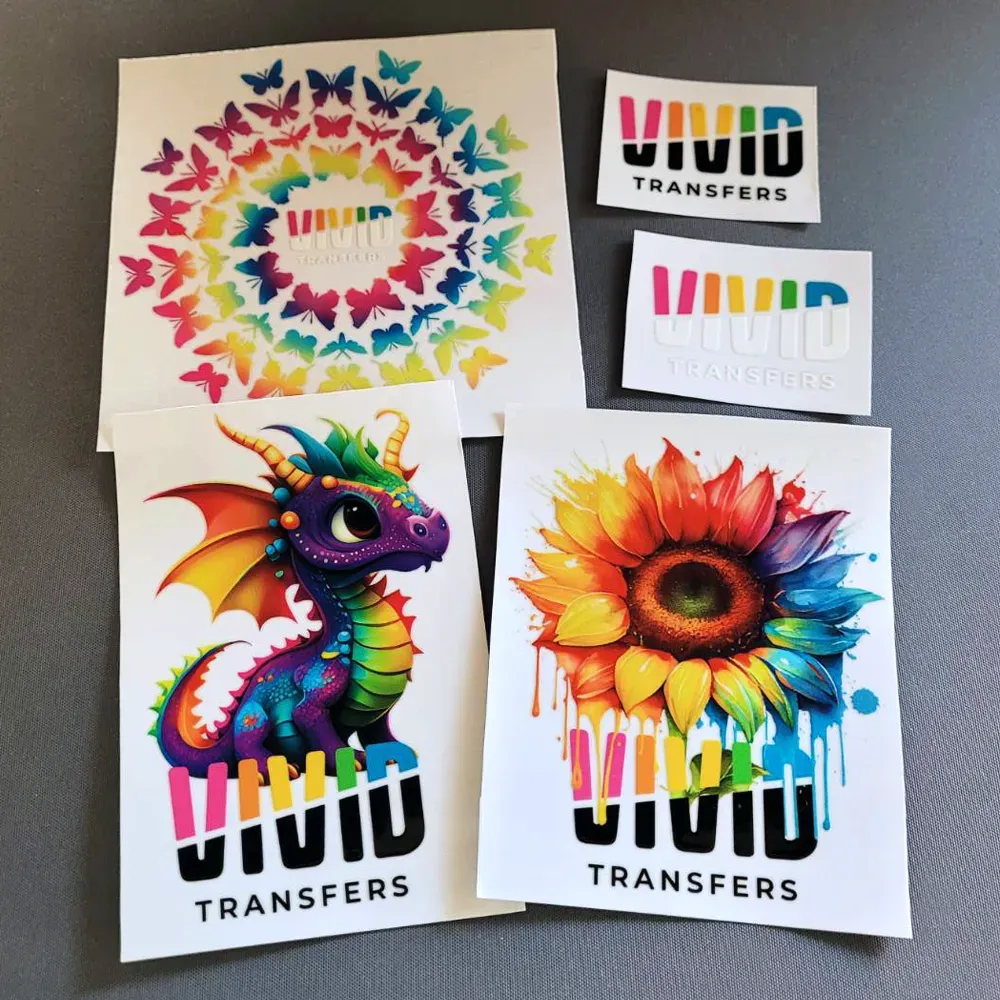
In the rapidly evolving landscape of printing technology, UV DTF transfers have emerged as a revolutionary option for businesses seeking quality and versatility. By harnessing UV light to cure inks onto specially designed films, this method stands out from traditional printing techniques such as screen printing and direct-to-garment. Unlike sublimation printing, which is limited to certain materials, UV DTF provides unparalleled flexibility, allowing for brilliant designs on diverse substrates, including plastics and textiles. With its vibrant colors and durability, it encapsulates everything modern brands require to make a lasting impression. As industries pivot towards innovative solutions, understanding UV DTF transfers becomes paramount for those aiming to elevate their production capabilities and market presence.
UV Direct-to-Film transfers represent a new frontier in the printing domain, often recognized under the umbrella of advanced digital printing techniques. This method combines elements from various printing practices, positioning itself elegantly alongside traditional approaches like screen printing and direct-to-garment printing. As businesses leverage this technology, they find themselves able to optimize both cost and quality across a wide range of applications. With the process’s capacity to deliver high-definition images and speedy results, it’s no wonder that UV DTF is gaining traction as a preferred choice for modern printing needs. As companies continue to explore this innovative avenue, they are uncovering the substantial benefits it presents over conventional methods.
Understanding the Mechanism of UV DTF Transfers
UV DTF transfers harness the power of ultraviolet light to cure inks as they are printed onto a special film. This process involves laying down the ink on the film and immediately utilizing UV light to solidify it, creating a durable and vibrant print. This technology significantly differs from traditional processes, where inks often need time to dry, leading to potential smudging or fading. The ability to quicken this drying process is a game changer in the printing industry, as it minimizes the waiting time and allows for immediate handling after production.
Moreover, the flexibility in using various substrates makes UV DTF a top choice for many businesses. Whether printing on textiles, plastics, or metals, this method excels by adhering to surfaces with a strikingly vivid output. Its compatibility with a wide range of materials contrasts with traditional printing techniques that often require specific bases, limiting creativity and product offerings.
Frequently Asked Questions
What are the benefits of UV DTF Transfers compared to traditional printing methods?
UV DTF Transfers offer numerous benefits over traditional printing methods like screen printing and direct-to-garment. These advantages include vibrant color output, durability, versatility across various substrates, faster production times, and the ability to print intricate designs with precision.
How does UV DTF Transfers technology work?
UV DTF Transfers utilize ultraviolet light to cure inks onto a special film, which can then be applied to various surfaces such as textiles, plastics, and metals. This innovative printing technology ensures that prints are not only sharp and detailed but also dry instantly, positioning it as a superior option compared to traditional methods that may require longer drying times.
Can UV DTF Transfers be used on fabrics like traditional screen printing?
Yes, UV DTF Transfers can successfully be applied to fabrics, similar to traditional screen printing. However, one of the standout features of UV DTF is its ability to print on a wider range of materials beyond just textiles, offering greater versatility for businesses looking to expand their product lines.
What is the production cost comparison between UV DTF Transfers and traditional methods?
While traditional printing methods like screen printing may benefit from lower costs on high-volume orders, UV DTF Transfers can provide better quality and less waste for smaller production runs. The cost dynamics can vary based on the size of the order and the specific requirements of the project.
Why should a business consider using UV DTF Transfers for customization?
Businesses should consider UV DTF Transfers for customization due to their rapid drying capabilities, which allow for quick turnaround times. This is essential for industries that need on-demand printing solutions. Additionally, the technology supports intricate designs and bright colors, making it ideal for personalized products.
What limitations do traditional printing methods have compared to UV DTF Transfers?
Traditional printing methods often face limitations such as long setup times for smaller orders and restrictions on the types of materials used. In contrast, UV DTF Transfers excel in versatility and production speed, addressing common inefficiencies that businesses encounter with older printing technologies.
| Feature | UV DTF Transfers | Traditional Printing Methods |
|---|---|---|
| Vibrancy and Durability | Produces vibrant, durable prints resistant to fading and wear. | May not achieve the same vibrancy and durability depending on the method used. |
| Versatility | Can be applied to various substrates including textiles, plastics, and metals. | Generally limited to specific materials, mainly fabrics. |
| Precision and Detail | Excels in producing intricate designs with sharp details. | May struggle with highly detailed designs depending on the method. |
| Turnaround Time | Fast production with instant drying capabilities. | Longer setup and drying times lead to extended production schedules. |
| Cost Efficiency | Better suited for short runs and custom orders despite varying costs. | More economical for bulk production due to lower cost per unit in high volume. |
Summary
UV DTF Transfers represent a significant advancement in printing technology, offering businesses flexibility and high-quality results that traditional printing methods may not match. By leveraging UV light for curing inks, UV DTF provides vibrant colors, durability, and versatility across various materials, making it an attractive option for modern printing needs. As the market moves towards innovative solutions, the advantages of UV DTF continue to reshape the industry, ultimately helping businesses enhance their offerings and improve overall printing efficiency.